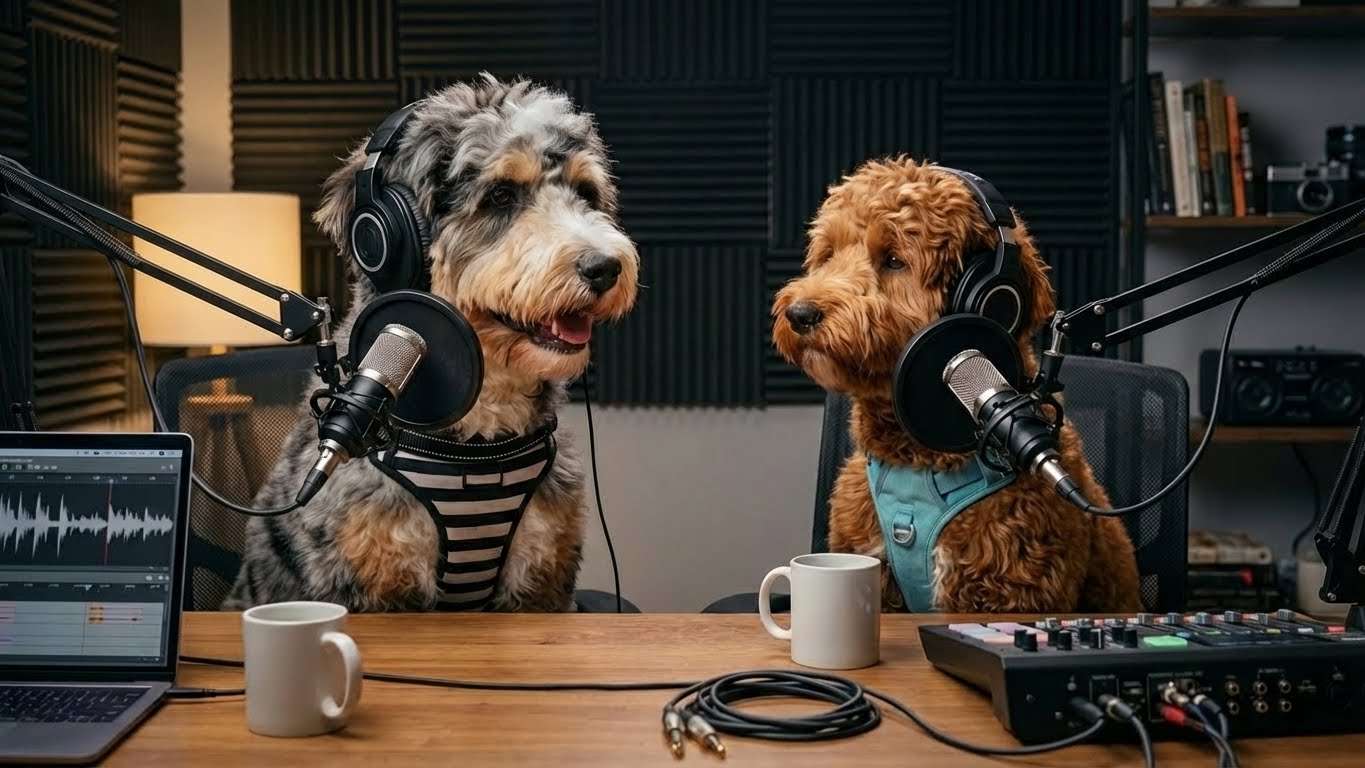
What happens when you give two doodles a microphone, a camera, and absolutely zero supervision? You get TheDoodleCast — a podcast hosted entirely by AI-animated dogs, and arguably the most unhinged thing to come out of the pet content space in years.
Meet the Hosts
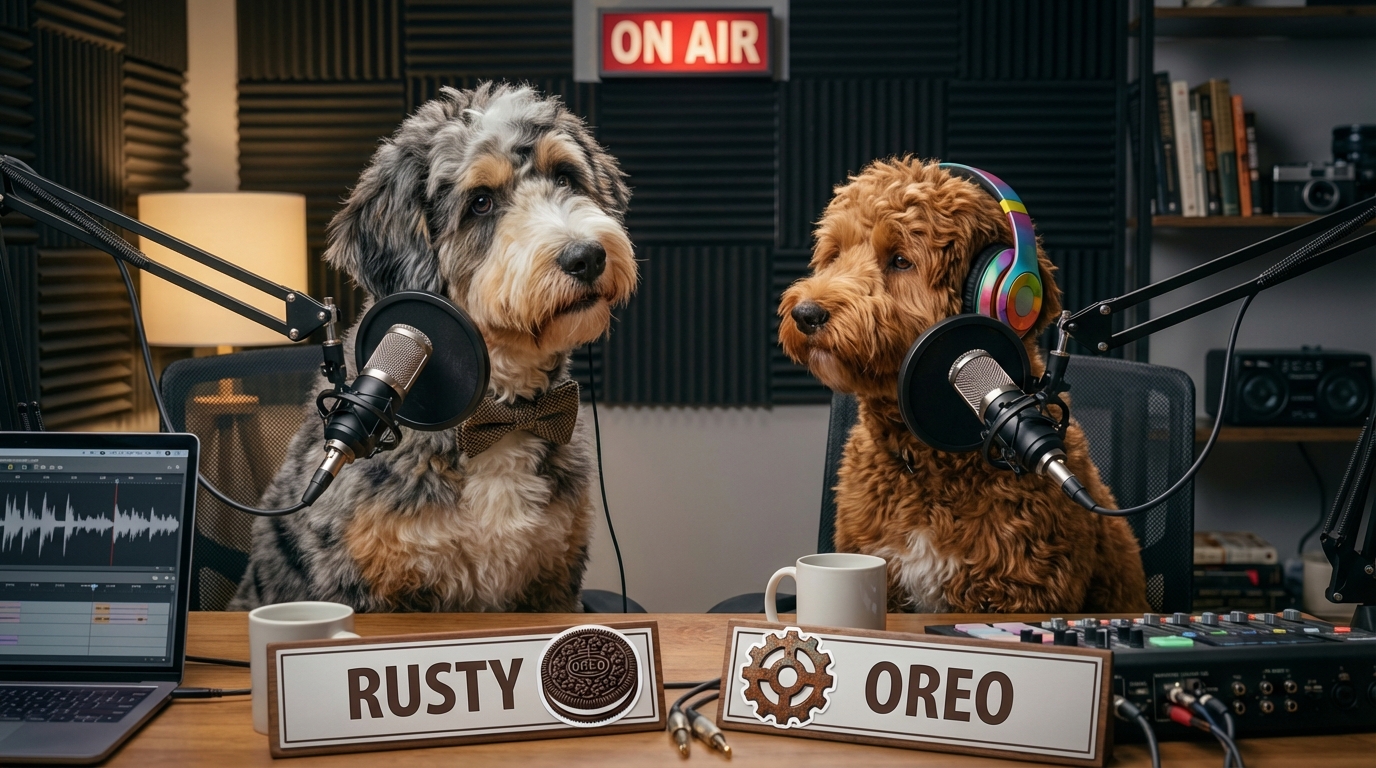
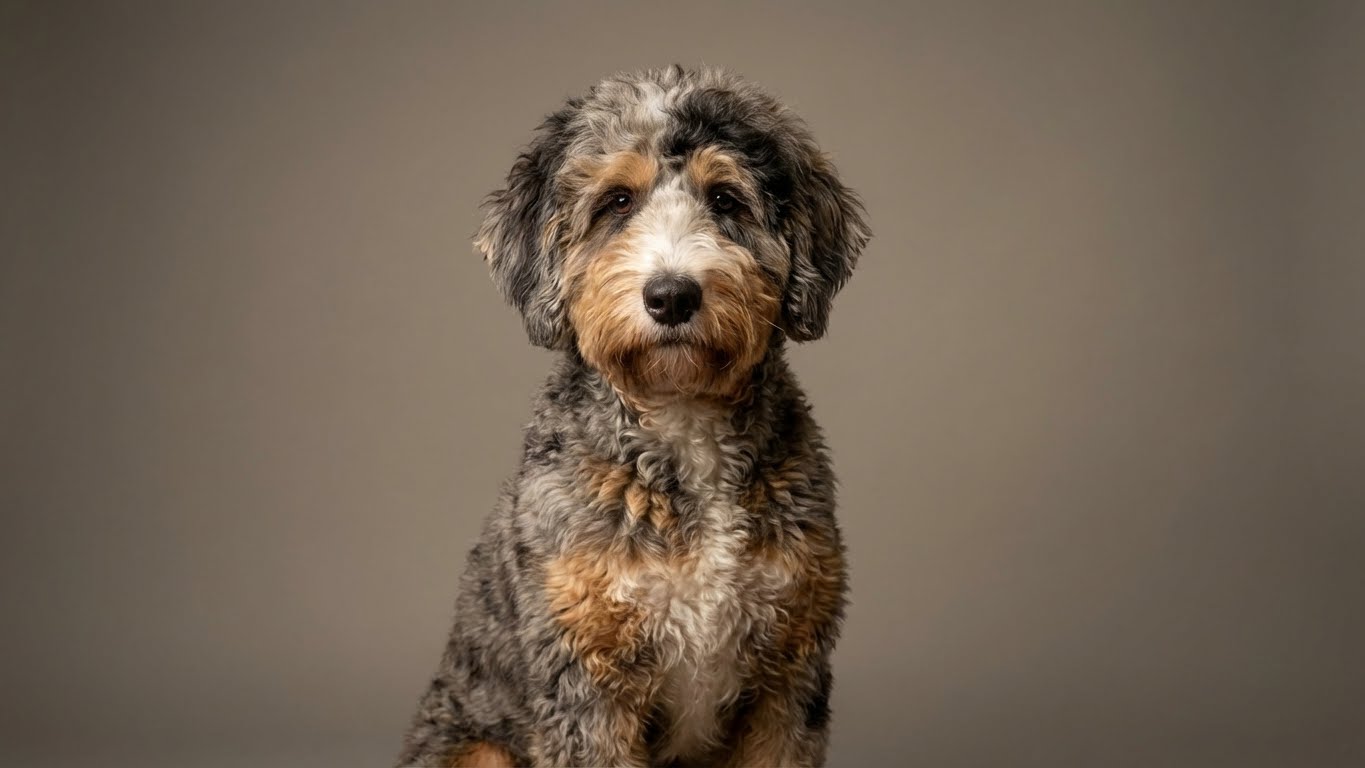
Rusty, a Bernedoodle with the gravitas of Morgan Freeman and the patience of a saint, serves as the show's lead anchor. He's the "Voice of Reason" — dry, cynical, and perpetually one chaotic co-host away from retirement.
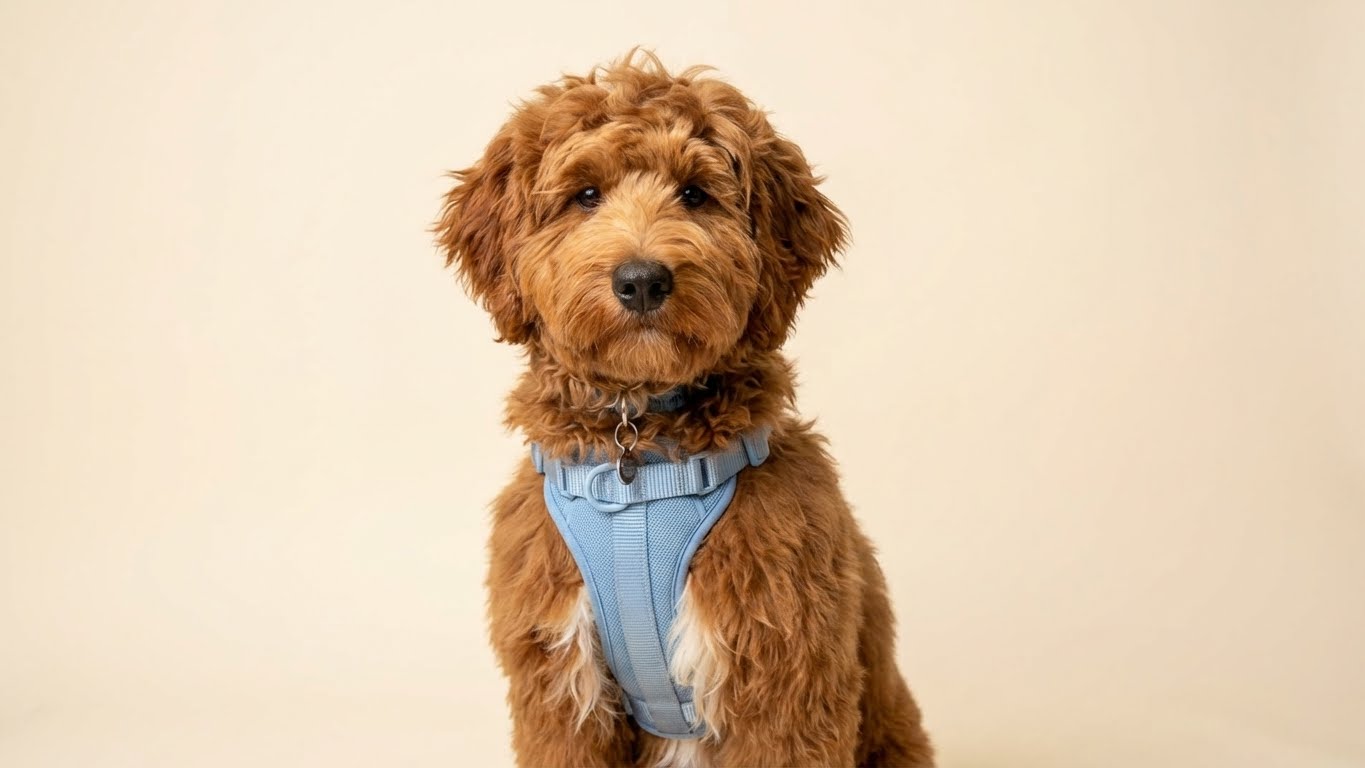
Oreo, a Goldendoodle and self-appointed "Chief Vibes Officer," operates on a frequency only dolphins can hear. His job title is generous. His energy is not. Oreo brings the kind of unhinged enthusiasm that makes you wonder if someone left the treat jar open.
Together, they broadcast live from the dog park — or at least, that's the bit. In practice, they're AI-generated characters driven by custom language models and animated with a pipeline that turns scripts into fully produced video episodes.
What Actually Is It?
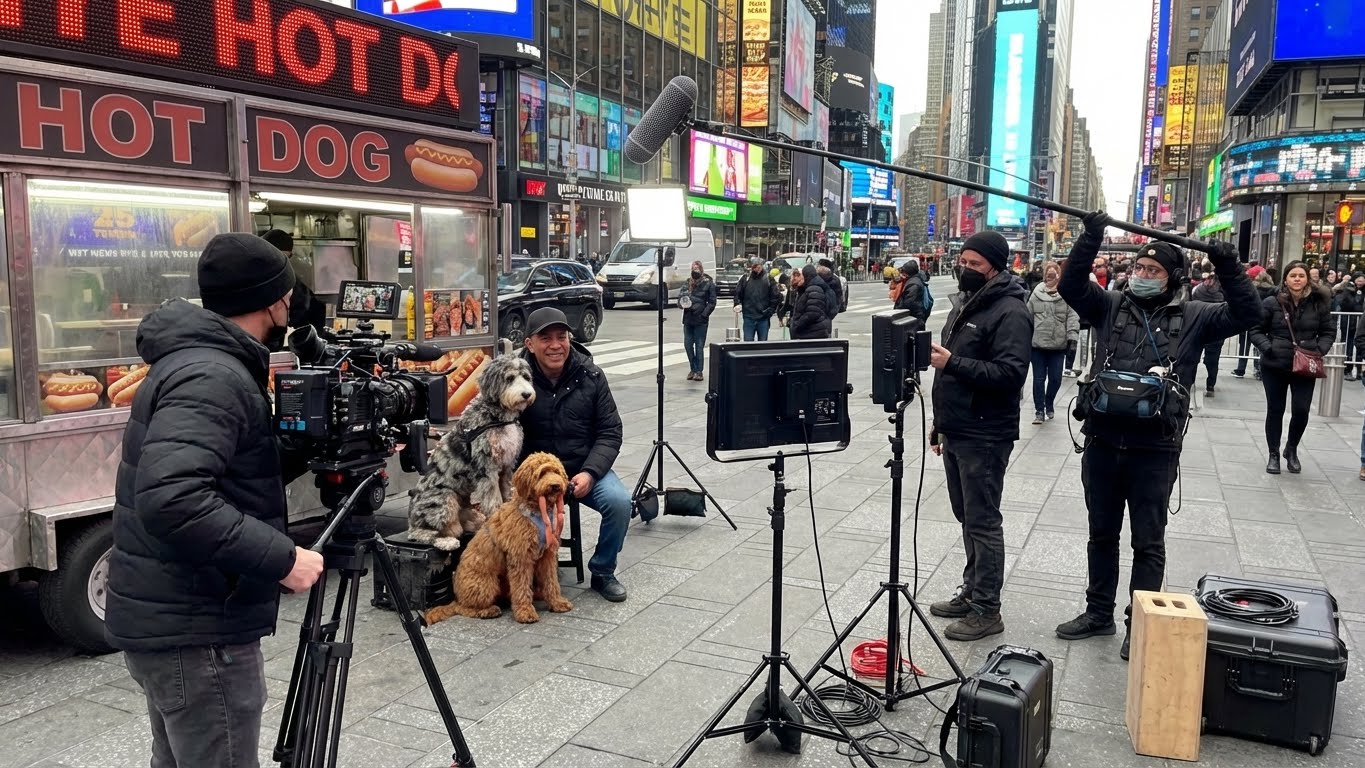
TheDoodleCast is a real, regularly published podcast. Episodes go out on YouTube, Spotify, Apple Podcasts, Amazon Music, and YouTube Music. The content covers lifestyle topics — but through the lens of two dogs who think belly rubs are geopolitics and that the mailman is a credible security threat.
Recent episodes have covered everything from "Super Bowl strategy" (the snack acquisition kind) to treat negotiation tactics. It's comedy, but the production quality is legitimate: full voiceover, animation, transitions, and a surprising amount of character continuity.
The Tech Behind the Fur
What makes TheDoodleCast genuinely interesting from a technical standpoint is the AI stack powering it:
- Video generation uses Google Veo and Higgsfield to produce the animated scenes — turning character art and scene descriptions into fluid video clips
- Voice acting is handled by ElevenLabs, giving each host a distinct, consistent vocal identity across every episode. Rusty sounds like gravitas incarnate; Oreo sounds like someone who just discovered caffeine
- Scriptwriting is a collaboration between Gemini and Grok, used to develop episode scripts while maintaining each character's personality — Rusty's dry wit and Oreo's chaotic energy
- The chatbot on the site lets visitors actually talk to Rusty and Oreo individually, powered by a locally-hosted LLM running on an RTX 5090 GPU, tunneled through Cloudflare to the public web
The production pipeline chains these tools together — scripts feed into voice generation, voice tracks drive animation timing, and the final episodes are assembled and published across platforms.
The Interactive Stuff
The website isn't just a landing page — it's an experience. Visitors can:
- Chat with the hosts in real time. Pick Rusty for thoughtful answers, Oreo for chaos, or both for the full experience. The chatbot streams responses token-by-token, so it feels like a real conversation rather than waiting for a wall of text.
- Read the Fire Hydrant Gazette, a blog section where the hosts publish posts in-character. It's exactly as ridiculous as it sounds.
- Submit their own dog to appear on the show. The guest program takes user-submitted photos and builds AI voices and characters for them. It's free, and it's one of the more creative community engagement plays we've seen.
Why It Works
There's a version of this concept that's gimmicky and forgettable — AI-generated content slapped together with no craft. TheDoodleCast isn't that. The characters are well-defined, the writing is genuinely funny, and the production values hold up against traditional animated content.
Part of it is the constraint. By committing to two specific characters with distinct personalities and a consistent format, the show avoids the "uncanny valley of AI content" where everything feels generic and interchangeable. Rusty and Oreo feel like characters because they were designed as characters, not as a demo of what AI can do.
The other part is knowing which tools to chain together. Google Veo for video, ElevenLabs for voice, Gemini and Grok for writing — each best-in-class at their slice of the pipeline. And the interactive chatbot runs locally on an RTX 5090, so fan conversations don't rack up API bills. It's a hybrid approach: cloud APIs where quality matters most, local inference where cost control matters most.
The Bigger Picture
TheDoodleCast is a proof of concept for something larger: AI-native media production. Not AI-assisted — AI-native. The characters, voices, animation, and interactive elements are all generated rather than captured. The humans in the loop are directors and creative leads, not performers.
This approach scales differently than traditional content. New characters can be spun up with ElevenLabs voice cloning and Veo animation. Episodes move from concept to published in a fraction of the traditional timeline. The interactive elements (chat, guest appearances) create audience engagement loops that traditional podcasts can't match.
Whether you're interested in the AI production pipeline, the creative writing, or you just want to watch two animated dogs argue about whether the vacuum cleaner is a legitimate threat, TheDoodleCast is worth a visit.
Broadcasting live from the dog park. Allegedly.
Discussion
Be the first to comment